





Key person insurance is a crucial form of business insurance, but it does not have a formal legal definition. Term life insurance is generally less expensive than permanent life insurance, and it is tax-deductible. But it is not insurable for non-employees. So why should you consider key person insurance? Let’s examine the advantages and disadvantages of this type of business insurance. To get started, here are some key reasons to consider key person insurance.
Employer is the proposer
A keyman insurance policy is a policy sponsored by the employer to protect the company in the event of a key employee’s death. The policy pays a death benefit to the employer and is tax-deductible as a business expense. This type of insurance protects the company in several ways, including providing a guarantee for loan repayment. It also improves the morale of the key employee. A key employee feels more valued by the employer if the company offers insurance for his family.
A keyman insurance policy protects employers from financial loss if a key employee dies, retires, or becomes unable to work. A key person is usually a highly skilled individual whose decisions and performance drive company profits. In addition to traditional coverage, many businesses invest in employer key person disability insurance to safeguard the company if a critical employee becomes disabled and can no longer fulfill their role. These policies are especially valuable for organizations that depend on executives, directors, or top salespeople with specialized expertise and high levels of responsibility.
In addition to protecting the business against losses from a key employee’s death, lenders may accept a keyman insurance policy as collateral for a small business loan. While the Small Business Administration does not issue loans directly, it can guarantee loans from approved lenders. Companies often use the proceeds from keyman insurance policies to select key employees, settle debts, and provide compensation continuation plans for departing colleagues. They can also claim the benefits when the keyman reaches maturity or dies.
A key person insurance policy can help maintain the company’s share price when a key employee passes away. This is because the death benefit from the key man insurance policy is tax-free for the company. However, the company may need to include the policy’s cash value in its alternative minimum tax calculations. Keyman insurance policies may also be tax-deductible if the employer has already paid the premiums. If the keyholder is self-employed, they cannot obtain keyman insurance. A sole proprietor should consider a personal life insurance policy instead.
Term life insurance is less expensive than permanent life insurance
If you’re looking for a life insurance policy, there are two main types: term life and permanent life. While both offer coverage, term life insurance is less expensive than permanent life insurance. Term life insurance works best for temporary needs, while permanent insurance offers lifelong coverage with a cash value component. Both policies can be beneficial for your financial situation. It’s essential to remember that the distinction between term and permanent life insurance extends beyond the cost.
Term life insurance is the simplest form of coverage, covering you for a specified period of time. Term life insurance premiums can range anywhere from five to forty years. Whole life insurance premiums, on the other hand, are much higher. The main difference between term and permanent life insurance is that term insurance pays out only if you die during the period of coverage, while whole life insurance continues to pay out after your death.
Term and permanent life insurance also differ in the amount of money you pay up front. A term insurance policy pays out a significantly higher death benefit but typically lasts for a shorter period. Term life insurance also requires much lower premiums than permanent life insurance, especially if you’re young. And most term life policies can be converted to permanent coverage, although the specific date varies. Purchasing term insurance will allow you to invest the money that you would have spent on a permanent policy. However, there are drawbacks to purchasing permanent life insurance – if you miss a premium payment, you will forfeit the policy.
Term life insurance does not include a cash value component. Instead, it pays a death benefit if the policyholder dies during the term. Unlike permanent life insurance, term life insurance is not very flexible, and the risk of dying during the term is higher. If you plan to purchase a permanent policy, be sure to consider the return-of-premium rider. Although these add to the cost, they may be worth it for you.
key person insurance tax deductible
When you purchase a tax-deductible keyman insurance policy, the company receives the death benefit tax-free. Depending on the settlement size, the company can also exclude the benefit from the alternative minimum tax calculation. If your company has a C corporation, you must report the key man insurance policy on your corporate tax return. In some cases, the death benefit of the key man policy is taxable, so you should consult an accountant before buying one.
When purchasing a keyman insurance policy, ensure that it provides coverage for the maximum amount. Additionally, it is crucial to find an affordable policy that offers sufficient coverage to meet your company’s transition needs. The tax-deductible key man insurance policy should be flexible enough to match the company’s needs and provide the appropriate payout in the event of the key person’s death or disability. Additionally, consider the estate duty and capital gains tax implications of the policy.
Regardless of whether you operate a small business or a large corporation, you must ensure that you consider key man insurance. In many cases, a key employee will be responsible for a significant portion of the company’s revenue, whether by providing specialized expertise or developing a valuable, patentable product. Having a policy in place to protect these employees is an essential part of running a successful business and should be part of your business plan from the outset.
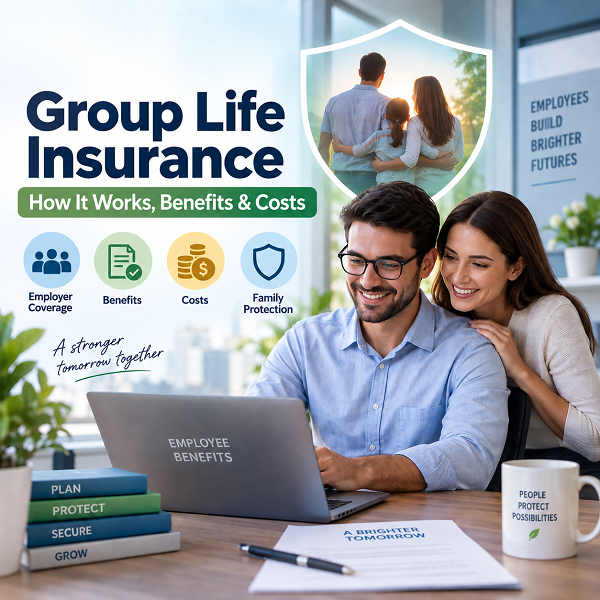
When selecting a key person insurance policy, ensure that you determine whether it is tax-deductible. The IRS has recently changed the rules regarding employer-owned life insurance, so you need to make sure you understand the tax-deductible policy that your company needs to get the maximum deductions. If the amount of the death benefit is more than $50,000, you should consider buying a policy with a higher death benefit. But if you do not want to lose the employee, you can always consider group life insurance.
It is not insurable for non-employees
A keyman insurance policy is a valuable way to protect your business from financial loss in the event of a key person’s passing. While the policy does not cover employees, key people are often the lifeline of a company. Key man insurance is usually inexpensive and easy to obtain. However, a policy should not be purchased for non-employees or independent contractors.
A key person is often a critical employee whose loss can disrupt the entire business. Without that individual, the company may struggle to operate, face liquidation, or be forced to sell its assets at a low value. To avoid this risk, many businesses partner with a key person insurance company. The company can use the insurance proceeds to pay off debts, provide severance packages to employees, or, if necessary, close the business and distribute the remaining funds to investors.
A key person’s health and lifestyle can significantly impact the key person insurance cost. Less healthy employees may find key man life insurance prohibitively expensive. In such cases, survivors may need to find alternative ways to replace the key person, such as taking out a loan. If an employee is too old to qualify as a key person, a deferred annuity under Section 162 of an Executive Bonus Plan may serve as a better option.
A key man insurance policy pays benefits to a family member of the employee. If a key person dies during business, the employer must pay the family members according to the contract.The premiums are also tax-deductible in the U.S., Canada, and Australia. This aligns with the COLI Best Practices Act.
Business owners can use it in a buy-and-sell agreement.
If you are entering a buy-and-sell agreement or forming a partnership, key person buy sell insurance helps protect you and your partners from financial liabilities and unexpected expenses. This coverage can include options such as term life insurance, disability insurance, and specialized keyman disability insurance. In the event of a partner’s unexpected death, the insurance proceeds can be used to buy out their shares and ensure business continuity.
A keyman insurance policy plays an essential role in a buy-and-sell agreement and helps cushion the impact of an individual’s death or incapacitation. While a buy-sell agreement secures a business’s future, business owners should review the keyman insurance carefully and adjust it as needed. Depending on the nature of the buy-sell agreement, you should include this coverage in the agreement.
In the event of a death, a buy-and-sell agreement will protect the surviving owner’s interest. A keyman insurance policy can enhance your company’s creditworthiness. However, it is essential to purchase the policy before the company undergoes a buyout or sale agreement. Most keyman policies are based on an employee’s age, height, and weight. However, young business owners can usually purchase life insurance without medical examinations. Older employees will have to undergo an insurance examination. The underwriting process can take several weeks.
If you are considering a buy-and-sell agreement, be sure to include the provisions regarding Keyman insurance in your contract. A buy-sell agreement will allow you to transfer shares to another company in the event of your death. The agreement will also stipulate the valuation method for the shares. If you don’t include this provision, you may lose control of the company or risk its future health, which could impact your ability to sell.