





Let’s be honest—life doesn’t always go as planned. You might leave a job, wait for new benefits to start, or simply miss the open enrollment window. And suddenly, you’re stuck without health insurance.
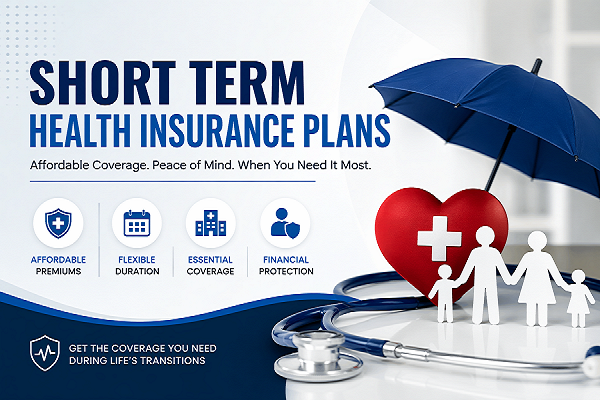
That’s exactly where short-term health insurance plans come in.
They’re not perfect. They help you stay covered, in those moments when you’re not sure what’s next. The real question is, are they really worth it?
Let’s look at it in a way.
What Is Short-Term Health Insurance?
Short-term health insurance is temporary coverage that lasts for a limited time—usually a few months up to a year, depending on where you live in the U.S.
Think of it like a safety net. It is there to protect you from medical bills when you do not have a regular health insurance plan. You know it helps you out when unexpected medical costs come up.
It acts like a backup giving you some protection.
When Does It Make Sense to Buy One?
In real life, people usually choose these plans when:
- They’re between jobs
- They’re waiting for employer health benefits to start
- They missed ACA enrollment
- They need emergency coverage for a short period
If you’re generally healthy and just want some level of protection, it can be a practical option.
What Do These Plans Actually Cover?
Most short-term plans cover basic medical needs, such as:
- Doctor visits
- Emergency room care
- Hospital stays
- Some tests and diagnostics
But here’s the catch—they don’t cover everything.
The Downsides You Shouldn’t Ignore
This is where many people make mistakes. Short-term plans look cheap, but they come with serious limitations:
- They usually don’t cover pre-existing conditions
- Preventive care like checkups may not be included
- Maternity and mental health coverage is often missing
- They are not part of ACA (Obamacare) standards
So yes, they save money—but they also come with risk.
Popular Short-Term Insurance Providers in the U.S.
Let’s quickly look at some well-known companies.
IHC Group
If you want something affordable and quick, IHC is often a go-to option. Approval is fast, and you can customize deductibles based on your budget.
UnitedHealthcare
This is one of the biggest names in the U.S. insurance market. Their plans feel more reliable and structured, especially if you prefer a trusted brand.
WPS Health Insurance
WPS is a solid choice if you’re looking for basic, no-frills coverage at a lower price. Just keep in mind—benefits can be limited.
How Much Does It Cost?
One big reason people pick short-term plans is that they are cheap.
Most plans fall somewhere between $50 to $150 per month, depending on your age and coverage level.
Sounds affordable, right? It is—but remember, lower premiums usually mean higher out-of-pocket costs later.
Pros and Cons (Simple Breakdown)
What’s Good:
- Affordable monthly cost
- Quick approval (sometimes within a day)
- Flexible duration
- Helpful during coverage gaps
What’s Not So Good:
- Limited coverage
- No pre-existing condition support
- High out-of-pocket risk
- Not suitable long-term
My Honest Take (Expert Insight)
If you ask me, short-term health insurance is not something you should rely on for the long run.
It’s more like a temporary safety net.
It works best when you’re healthy and just need protection “just in case.” But if you have ongoing medical needs, this type of plan can actually cost you more in the long term.
Final Thoughts
Short term health insurance plans can be really helpful. Only if you are in the right situation. If you need quick and affordable coverage for a short period, they do the job. But if you’re looking for full protection and peace of mind, you’re better off with a comprehensive health plan.
The smart move is to use short-term insurance as a bridge—not a permanent solution.